
EV Charger Installation for Your Home
Electric vehicles help you avoid time at the pump, but they still need to be plugged in to run. That’s why having a dependable charging setup at home is essential. With professional EV charger installation, you can skip the wait at public stations and charge your vehicle on your terms. For Springfield homeowners, installing a home EV charger starts with ensuring your electrical system is ready to handle the load safely.
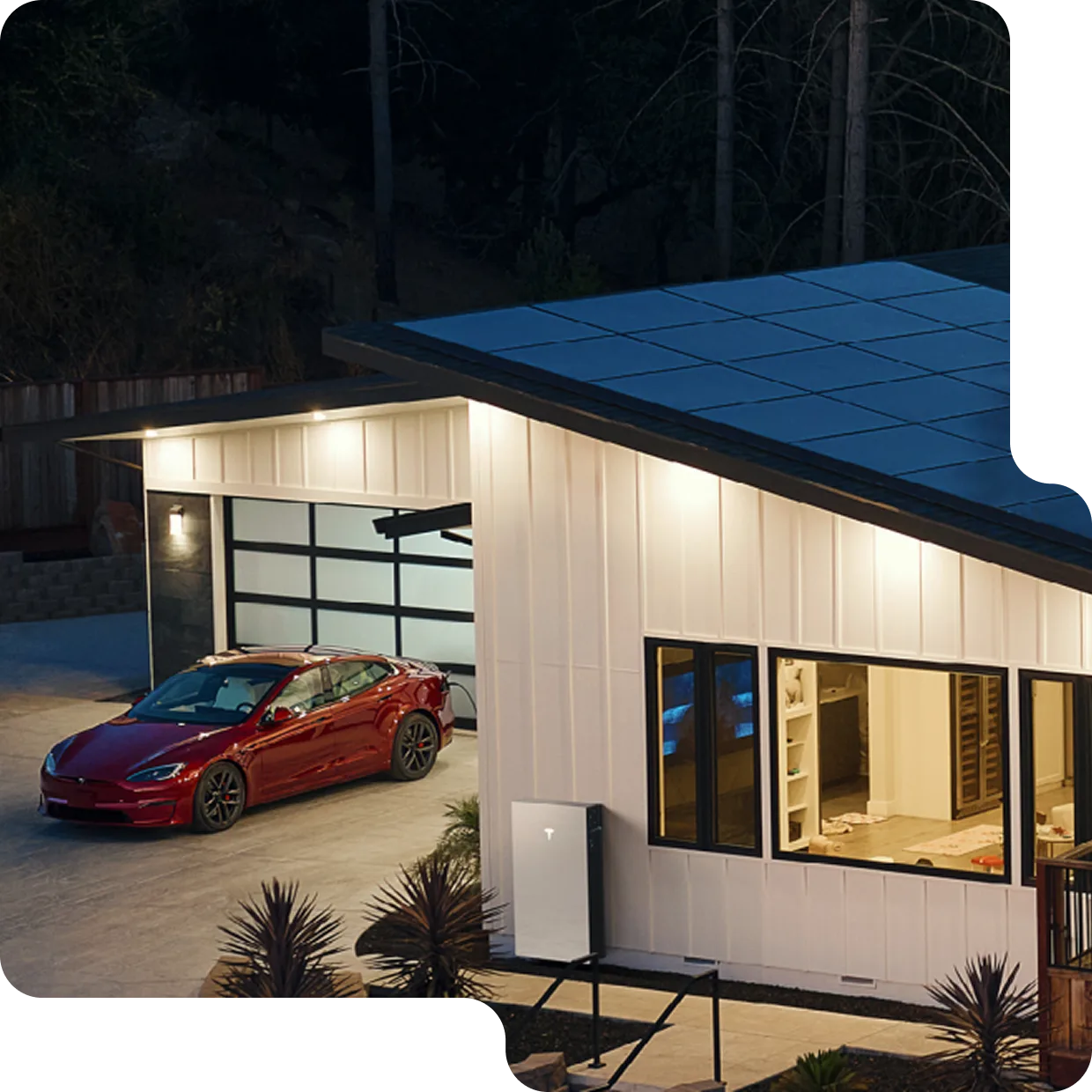
Why Most Homeowners Choose Level 2 EV Charging
Most homeowners choose a Level 2 charger installation. Because it delivers faster charging than a standard outlet. But adding a charger must be done correctly. A safe installation requires evaluating your electrical panel, calculating load capacity, and installing a properly sized circuit.
LampPost Electric specializes in helping customers upgrade their homes for EV charging with clear communication, upfront pricing, and clean, code-compliant work.
Home EV Chargers for Convenient Daily Charging
A home EV charger vastly improves how you use your vehicle. Instead of planning trips around charging stations, you can plug your car in when you get home and let it charge overnight.
The benefits of installing a home EV charger include:
As more homeowners in Northern Virginia make the switch to electric vehicles, Level 2 chargers have become the preferred solution. They provide the speed and efficiency needed to keep up with daily driving, making them ideal for busy households.
With the right setup, charging your vehicle becomes as simple as charging your phone.

Types of EV Chargers for Residential Installation
Choosing the right charger starts with understanding your options and how they fit your home and driving habits.
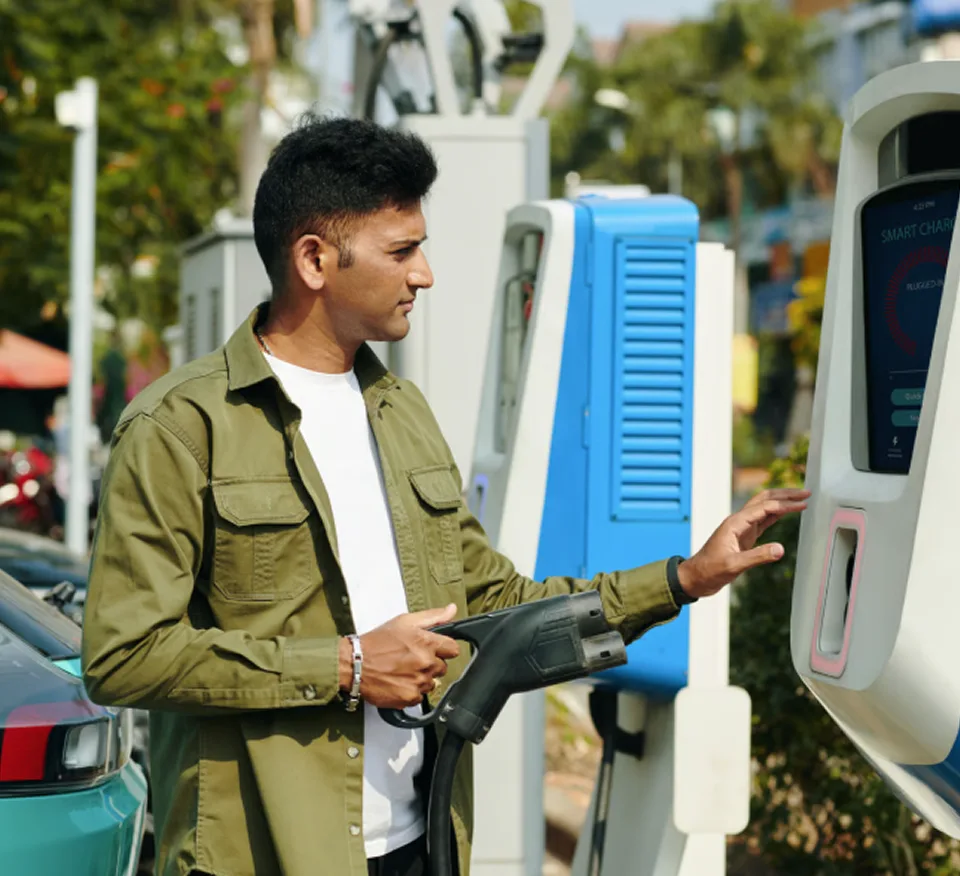
Level 1 Charging (Standard Outlet)
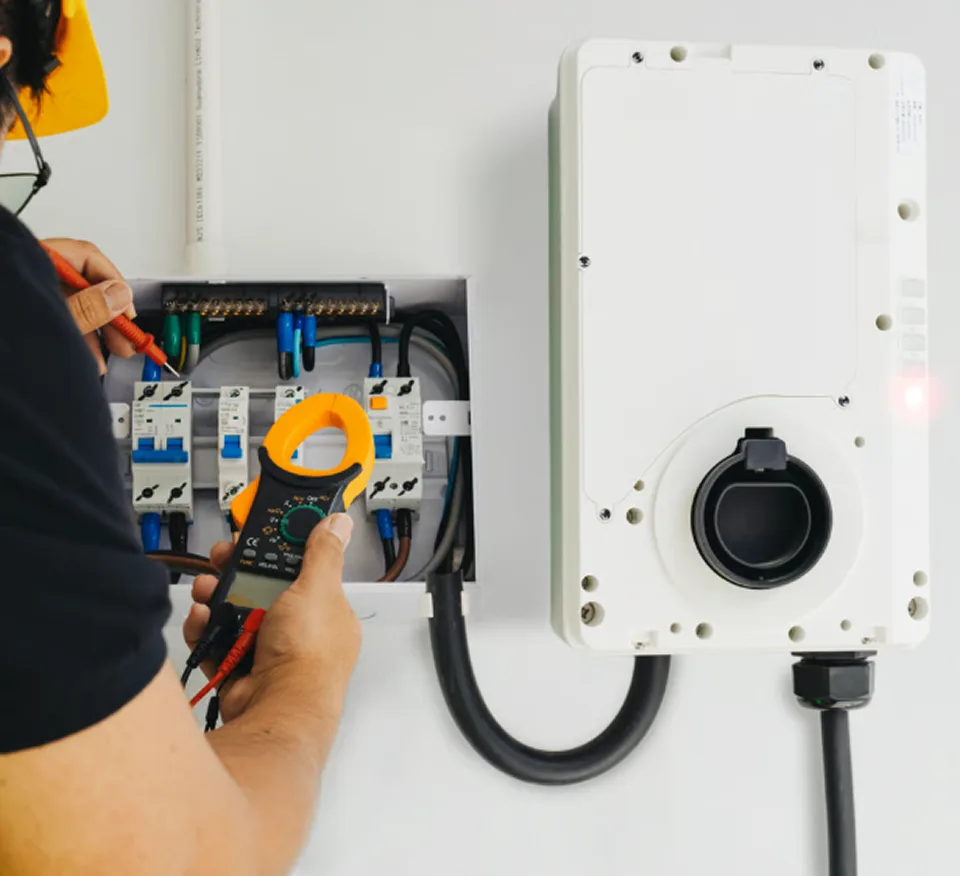
Level 2 Charger Installation
Level 2 chargers operate on a 240-volt circuit and are the standard for residential EV charging. They offer:
- Faster charging speeds
- Greater efficiency for daily use
- Compatibility with most electric vehicles
Installing a Level 2 charger requires a dedicated EV charging circuit to safely deliver power without overloading your system.
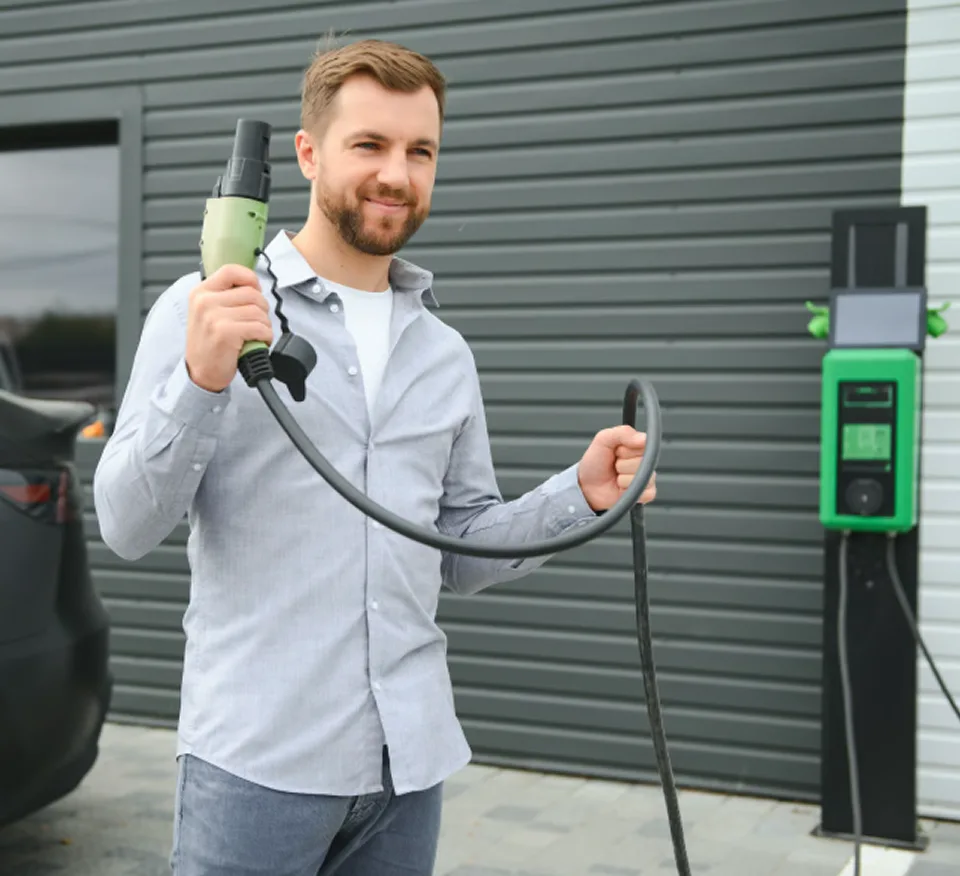
Hardwired vs Plug-In EV Chargers
You’ll also need to decide between a hardwired or plug-in setup. A hardwired EV charger is permanently connected to your electrical system, reducing potential failure points and offering a cleaner installation.
Plug-in EV chargers connect to an outlet, allowing for easier replacement or relocation. Each option has specific code requirements, and the best choice depends on your home setup and long-term plans.
Electrical Requirements for EV Charger Installation
Installing an EV charger requires careful planning to ensure your system can safely support it. Key elements of a proper installation include:
A load calculation is one of the most important steps. It determines whether your current system has enough capacity or if upgrades are needed before installation.
LampPost Electric takes a thorough, methodical approach to ensure your charger is installed safely and performs reliably for years.
When an Electrical Panel Upgrade May Be Needed
Not every home is immediately equipped to handle a new EV charger. Sometimes, your electrical panel may need to be upgraded before installation. This is especially common in:



Homes already using most of their available circuits.
If your system doesn’t have the capacity to support a new EV charging circuit, upgrading your panel ensures safe operation and room for future electrical needs.
Making this upgrade now can also prevent issues as your home’s electrical demands continue to rise.
EV Charger Brands and Connector Types
LampPost Electric works with a range of trusted EV charger brands to match your vehicle and preferences, including:
It’s essential to understand connector types when choosing your charger:
Our trusty technicians help you select the right charger and configuration to ensure compatibility and long-term performance
Permits and Inspections for EV Charger Installation
Installing an EV charger requires new electrical wiring, so permits and inspections are needed to meet local safety standards. Our team manages the entire process, including:



Serving Springfield and surrounding Northern Virginia neighborhoods, LampPost Electric ensures your installation meets all code requirements without added headache or hassle.
Our EV Charger Installation Process
We’ve created a process that’s simple, transparent, and easy for homeowners to navigate.
Home Electrical Evaluation
Load Calculation and Circuit Planning
Permit Filing and Scheduling

EV Charging Circuit Installation

Charger Installation and Connection

Testing and Safety

Final Walkthrough and Operation Instructions
Why Homeowners Choose LampPost Electric
When it comes to electrical work in your home, trust matters. LampPost Electric delivers a better experience from start to finish. Homeowners choose us because we offer:
We bring professional-grade knowledge into a homeowner-friendly experience, so you always know what to expect.
EV Charger Frequently Asked Questions
Still have questions?
Do I need a dedicated circuit for an EV charger?
Yes. A dedicated circuit ensures your charger operates safely without interfering with other electrical loads.
What size circuit is required for a Level 2 charger?
The size depends on the charger and vehicle, but most require a 240-volt circuit with properly matched wiring and breakers.
Can my current electrical panel support a home EV charger?
It depends on your panel’s capacity. A load calculation will determine whether upgrades are necessary.
Is a hardwired EV charger better than a plug-in?
Hardwired chargers are generally more durable and reliable, while plug-in chargers offer flexibility.
Do EV chargers require permits?
Yes. Permits and inspections are required for new electrical installations.
How long does EV charger installation take?
Most installations can be completed in one day, depending on the scope of work.
Schedule EV Charger Installation
Upgrading your home for EV charging doesn’t have to be difficult. With the right team, it’s smooth and simple.
Get a professionally installed EV charger, clear pricing, and the confidence that your home is ready for the future of driving by calling LampPost Electric today!
Request Service from a Residential Electrician in Springfield, VA
Tell us what you need—we’ll take it from there.
Prefer to talk now? Call 571-206-1505
We respect your time and your home. A member of our team will follow up shortly.